
Colonia Roma, Mexico City
Colonia Roma, Mexico City: A Neighborhood of Architecture, Culture and Everyday Life
Colonia Roma is one of Mexico City’s most recognizable neighborhoods, known for its historic architecture, tree-lined streets, independent restaurants, cafés, galleries and creative atmosphere.
Located just west of the historic center, Roma has developed a distinctive identity where early twentieth-century architecture coexists with contemporary design, gastronomy and everyday neighborhood life.
For visitors, staying in Roma offers something different from experiencing Mexico City exclusively through its major landmarks. The neighborhood invites you to slow down, walk its streets and discover the city through architecture, food, art and daily routines.
A Neighborhood Shaped by Architecture
One of the defining characteristics of Colonia Roma is its architectural diversity.
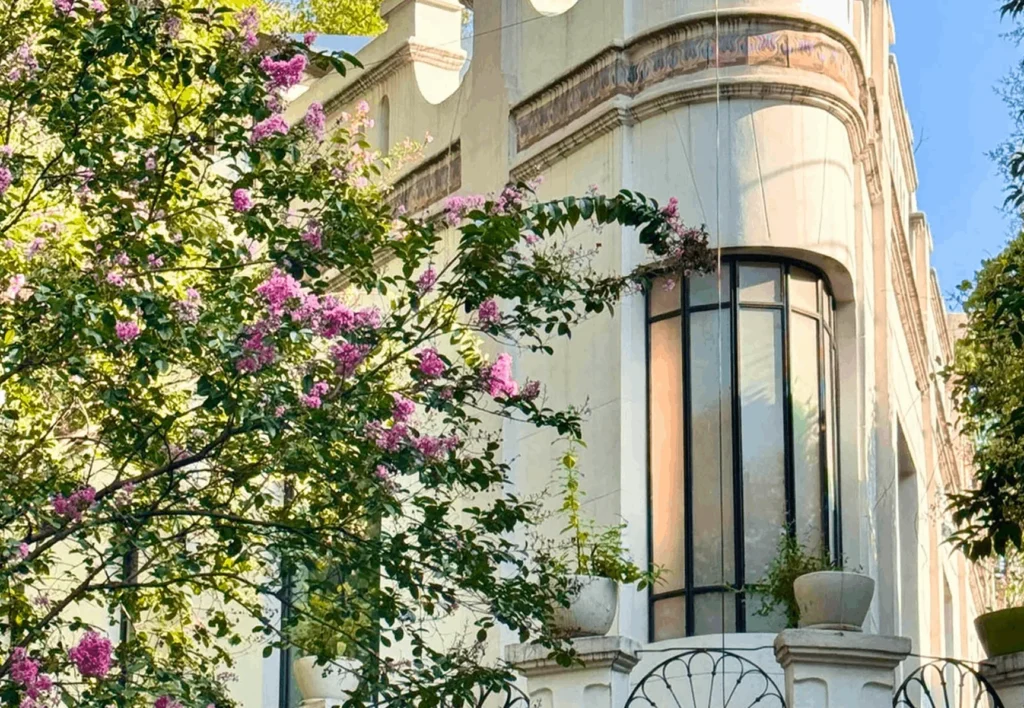
Throughout the neighborhood, historic residences sit alongside restored apartment buildings, contemporary interiors and independent commercial spaces. Many properties preserve original façades, decorative details, high ceilings and architectural features that reflect the neighborhood’s early development.
Walking through Roma reveals a mix of architectural influences and periods. Some streets feel distinctly residential, while others combine homes, restaurants, boutiques and galleries within the same blocks.
This contrast is an important part of the neighborhood’s character.
Rather than functioning as a uniform district, Roma feels layered — a place where different eras of Mexico City remain visible at the same time.
Roma Norte and Roma Sur
Colonia Roma is commonly divided into two principal areas: Roma Norte and Roma Sur.
Roma Norte is the section most visitors encounter first. It has a particularly high concentration of restaurants, coffee shops, cocktail bars, galleries, boutiques and cultural spaces.
Roma Sur has a quieter and more residential atmosphere in many areas while maintaining the architectural character associated with the broader neighborhood.
Together, the two areas create a large district that rewards exploration beyond its most famous streets.
Exploring Roma on Foot
One of the best ways to experience Roma is simply by walking.
The neighborhood’s tree-lined streets, small plazas, historic buildings and ground-floor businesses create an environment where there is often something new to discover from one block to the next.
A typical day might begin with coffee at a neighborhood café, continue with a walk through local streets and design shops, and lead unexpectedly to a gallery, bookstore or restaurant.
The experience does not need to follow a strict itinerary.
That sense of spontaneous discovery is one of Roma’s greatest attractions.
Parks and Public Spaces
Green spaces play an important role in the neighborhood.
Parks and plazas provide places to walk, sit, meet friends or simply observe the rhythm of everyday life in Mexico City.
Among the best-known public spaces in the area are Plaza Río de Janeiro and Plaza Luis Cabrera, both surrounded by distinctive architecture, restaurants and residential streets.
Nearby, Parque México and Parque España in Condesa extend the experience into another of the city’s most walkable neighborhoods.
Restaurants and Contemporary Gastronomy
Roma has become one of Mexico City’s most important gastronomic areas.
The neighborhood includes everything from casual neighborhood restaurants and traditional Mexican cuisine to bakeries, wine bars and contemporary dining concepts.
What makes the area particularly interesting is the variety.
A single walk can take you past a small local café, a sophisticated restaurant, a street-food stand and an intimate cocktail bar.
For travelers interested in experiencing Mexico City through food, Roma provides an excellent starting point.
Coffee Culture
Coffee is also an important part of daily life in Roma.
Independent cafés are found throughout the neighborhood, ranging from small specialty coffee shops to larger spaces designed for reading, conversation or remote work.
Morning coffee often becomes part of the experience of staying in the neighborhood rather than simply a stop before sightseeing.
It is common to see residents and visitors sitting outside cafés, working from laptops or meeting friends throughout the day.
Art, Galleries and Independent Design
Roma has long attracted artists, designers, photographers and other creative professionals.
Independent galleries, art spaces, bookstores and design stores contribute to the neighborhood’s cultural identity.
The experience is often informal. Art and design are not limited to large institutions; they appear throughout everyday spaces.
A furniture showroom, small gallery, bookstore or restored historic residence may become part of the same afternoon walk.
This relationship between culture and daily life is one of the qualities that distinguishes Roma from more conventional tourist districts.
The Connection Between Roma and Condesa
Roma and Condesa are closely connected geographically and culturally.
Visitors staying in Roma Norte can often reach many parts of Condesa on foot, making it easy to experience both neighborhoods during the same stay.
While each area has its own character, they share many qualities: walkable streets, architecture, parks, restaurants, cafés and a strong neighborhood identity.
Together, they form one of the most appealing areas for visitors who prefer discovering Mexico City at street level.
What Is It Like to Stay in Roma?
Staying in Roma offers a different perspective on Mexico City.
Instead of returning each evening to an isolated hotel district, guests become part of a residential neighborhood where everyday life continues around them.
You can walk out in the morning for coffee, return home in the afternoon, explore a nearby restaurant in the evening and discover new places almost entirely on foot.
For many travelers, this creates a more personal connection with the city.
Reasons visitors choose Roma include:
- Historic architecture
- Walkable streets
- Independent restaurants and cafés
- Art galleries and cultural spaces
- Boutiques and design stores
- Neighborhood parks
- Easy access to Condesa
- A central location within Mexico City
- A mix of residential atmosphere and urban energy
A Different Way to Experience Mexico City
Roma is not defined by a single landmark.
Its appeal comes from the combination of architecture, food, culture and everyday neighborhood life.
The experience is found in smaller moments: walking beneath mature trees, noticing the details of a historic façade, discovering a restaurant by chance, spending an afternoon in a café or returning to a quiet residential street after dinner.
For travelers looking to experience Mexico City beyond a traditional hotel stay, Colonia Roma offers the opportunity to experience the city as a neighborhood rather than simply as a destination.
Stay in the Heart of Roma Norte
Choosing accommodation in Roma Norte places many of the neighborhood’s most interesting experiences within walking distance.
Restaurants, cafés, galleries, boutiques, parks and cultural spaces become part of the daily rhythm of the stay.
For guests who appreciate architecture, contemporary design and the feeling of living within the city, Roma offers one of Mexico City’s most distinctive residential experiences.